

Understanding the Importance of an Emergency Fund
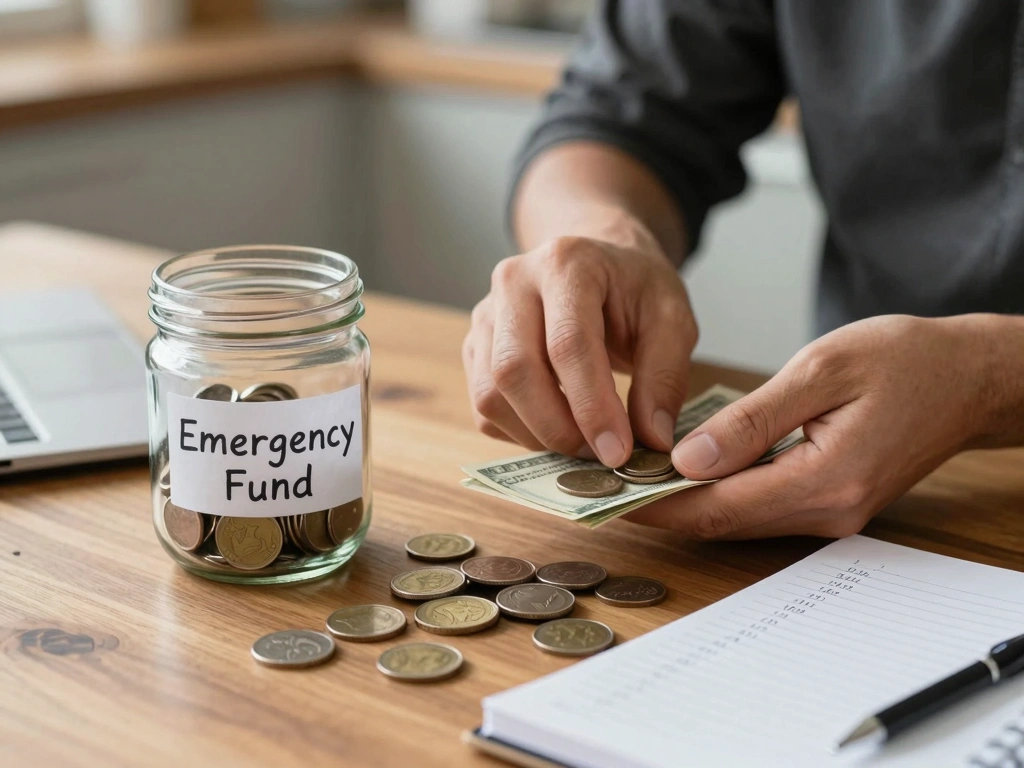
Building an emergency fund from scratch is a crucial component of financial stability. An emergency fund acts as a financial safety net, providing you with peace of mind and security in times of unexpected financial distress. In this section, we will explore what constitutes an emergency, the concept of a financial safety net, and the long-term benefits of having an emergency fund.
What Constitutes an Emergency?
An emergency is any unforeseen circumstance that requires immediate financial attention. Common examples include:
- Medical Emergencies: Unexpected medical bills from accidents or sudden illnesses.
- Job Loss: Sudden unemployment that disrupts your regular income.
- Major Repairs: Urgent home or vehicle repairs that can’t be postponed.
- Family Emergencies: Unforeseen situations involving family members that require financial support.
Understanding what qualifies as an emergency helps in determining how much money you should set aside in your fund.
The Financial Safety Net Concept
The concept of a financial safety net is simple: it provides a buffer against the unexpected. Without an emergency fund, you may find yourself relying on high-interest debt options like credit cards or payday loans to cover urgent expenses, which can lead to a cycle of financial stress. An emergency fund allows you to handle these situations without derailing your financial progress.
Long-term Benefits of Having an Emergency Fund
Establishing an emergency fund has numerous long-term benefits, including:
- Reduced Financial Stress: Knowing you have funds available for emergencies can alleviate anxiety about unexpected expenses.
- Improved Financial Stability: An emergency fund provides a financial cushion, allowing you to navigate life’s uncertainties more confidently.
- Better Credit Score: By avoiding reliance on credit for emergencies, you maintain your credit utilization ratio, positively impacting your credit score.
- Flexibility in Financial Decisions: With an emergency fund, you're less likely to make hasty financial decisions out of fear, allowing for more thoughtful choices regarding investments or major purchases.
Assessing Your Current Financial Situation
Before you can start building an emergency fund, you need to assess your current financial situation. This involves calculating your monthly expenses, identifying sources of income, and evaluating any existing debt obligations.
Calculating Monthly Expenses
The first step in assessing your financial situation is to calculate your monthly expenses. Begin by listing all your fixed and variable expenses:
- Fixed Expenses: Rent/mortgage, utilities, insurance, and loan payments.
- Variable Expenses: Groceries, transportation, entertainment, and discretionary spending.
For example, if your monthly expenses are:
- Rent: $1,200
- Utilities: $300
- Groceries: $400
- Transportation: $200
- Insurance: $150
Your total monthly expenses would be approximately $2,250. This figure is crucial for setting your emergency fund target.
Identifying Sources of Income
Next, identify all your sources of income, such as:
- Your salary or wages from employment.
- Any side hustles or freelance work.
- Investment income or rental income, if applicable.
For instance, if you earn $3,500 per month from your job and an additional $500 from a side gig, your total monthly income is $4,000. This income will help you determine how much you can allocate towards your emergency fund each month.
Evaluating Existing Debt Obligations
Finally, take stock of any existing debts. List out your debts, including student loans, credit card balances, and personal loans. Understanding your debt obligations is vital because it will impact how much you can comfortably save each month. For example:
- Credit Card Debt: $1,000 (minimum payment: $100/month)
- Student Loans: $5,000 (minimum payment: $200/month)
With these payments, you would need to allocate a portion of your income towards debt repayment before you can start saving for your emergency fund.
Setting Realistic Savings Goals
After assessing your financial situation, the next step is to set realistic savings goals for your emergency fund. This involves determining the right amount for your fund, creating a timeline for savings, and breaking down your goals into manageable steps.
Determining the Right Amount for Your Fund
A common rule of thumb is to aim for three to six months’ worth of living expenses in your emergency fund. Using the earlier example of $2,250 in monthly expenses, your target would be between:
- Minimum: 3 months x $2,250 = $6,750
- Maximum: 6 months x $2,250 = $13,500
Deciding where you fall within this range can depend on your personal circumstances, such as job stability or health considerations.
Creating a Timeline for Savings
Once you've established your target amount, create a realistic timeline for achieving it. Decide how quickly you want to reach your goal. For example, if you aim to save $10,000 in two years, you would need to save approximately:
- $10,000 ÷ 24 months = $416.67 per month.
Setting a timeline helps you stay focused and motivated as you work towards your goal.
Breaking Down Goals into Manageable Steps
Breaking your savings goal into smaller, manageable steps can make the process less daunting. Consider the following strategies:
- Monthly Milestones: Set smaller milestones, such as saving $1,000 every three months.
- Weekly Savings: If you prefer a more frequent approach, aim to save $100 each week.
- Tracking Progress: Use a savings tracker or app to visualize your progress and keep you accountable.
Choosing the Right Savings Method
With your savings goals set, the next step is to choose the right method for saving your emergency fund. This includes considering high-interest savings accounts, utilizing budgeting apps, and implementing strategies for automatic savings contributions.
High-Interest Savings Accounts vs. Regular Accounts
When building an emergency fund, it's wise to choose a savings account that offers a higher interest rate than a standard savings account. High-interest savings accounts can help your money grow faster. For example, accounts offered by online banks like Ally Bank or Marcus by Goldman Sachs often provide interest rates that are significantly higher than traditional banks.
Consider the following comparisons:
- Traditional Bank Savings Account: Interest Rate: 0.01% APY
- High-Interest Savings Account: Interest Rate: 0.50% APY
While the difference may seem small, over time, the compound interest can significantly increase your fund.
Utilizing Budgeting Apps for Tracking
Using budgeting apps can help you manage your savings and expenses more effectively. Apps like Mint, YNAB (You Need A Budget), or EveryDollar can assist you in tracking your spending habits and ensuring you allocate enough money toward your emergency fund each month. You can set goals and monitor your progress, making it easier to stick to your savings plan.
Strategies for Automatic Savings Contributions
One of the most effective ways to ensure consistent savings is to set up automatic contributions. Many banks allow you to automate transfers from your checking account to your savings account on a scheduled basis. For example, if you decide to save $416.67 a month, you can set up an automatic transfer of $104.17 every week. This approach helps you save without needing to think about it actively.
Staying Motivated and Adjusting Your Plan
Building an emergency fund takes time and dedication. Staying motivated and being willing to adjust your plan as necessary is crucial for success. In this section, we will discuss tracking progress, celebrating milestones, reassessing financial goals periodically, and dealing with setbacks.
Tracking Progress and Celebrating Milestones
Regularly tracking your progress is vital to maintaining motivation. Use a visual tracker, such as a chart or app, to see how far you've come. Celebrate milestones; for instance, when you reach the $1,000 mark, treat yourself to a small reward. Acknowledging your achievements can keep you motivated to continue saving.
Reassessing Financial Goals Periodically
Your financial situation may change over time, so it's essential to reassess your savings goals periodically. If you receive a raise or pay off a debt, consider increasing your monthly savings contributions. Conversely, if you face unexpected expenses, you may need to adjust your goals temporarily.
Dealing with Setbacks and Maintaining Focus
Setbacks are a natural part of any financial journey. If you encounter a setback, such as an unexpected expense that requires you to dip into your emergency fund, don’t be discouraged. Simply refocus your efforts and adjust your savings plan to replenish the fund. Remember, building an emergency fund is a marathon, not a sprint. Maintaining a positive mindset and staying focused on your long-term goals will help you succeed.
In conclusion, building an emergency fund from scratch is a vital step toward achieving financial security. By understanding its importance, assessing your financial situation, setting realistic goals, choosing the right savings methods, and staying motivated, you can create a robust safety net that will protect you against life's uncertainties. Start today, and take control of your financial future.