Regulatory Framework and Compliance Challenges
Complexity of Regulatory Requirements
Decommissioning a nuclear power plant is a highly intricate process that must adhere to stringent regulatory frameworks. In the United States, the Nuclear Regulatory Commission (NRC) oversees these decommissioning efforts, which are governed by a myriad of regulations designed to ensure public safety and environmental protection. The regulations encompass various aspects, including the management of radioactive waste, site assessment, and environmental restoration. This complexity can significantly slow down the decommissioning timeline.
The timeline for decommissioning can be affected by the necessity to develop a detailed decommissioning plan, which must be submitted to and approved by the NRC. This plan typically includes extensive engineering assessments, which can take years to complete. For example, the decommissioning plan for the San Onofre Nuclear Generating Station in California took over a decade to finalize, illustrating how regulatory complexities can extend timelines.
Impact of Policy Changes on Decommissioning Timelines
Policy changes at both federal and state levels can introduce further delays in the decommissioning process. For instance, shifts in environmental policy or funding priorities can require plants to revise their decommissioning plans to align with new regulations. This was evident in the case of the Vermont Yankee Nuclear Power Plant, where changes in state policy led to additional assessments and modifications in their decommissioning strategy, delaying the overall process by several years.
Coordination with Multiple Regulatory Bodies
Decommissioning does not solely involve the NRC; it requires coordination with multiple regulatory entities, including the Environmental Protection Agency (EPA) and state regulatory agencies. Each agency has its own set of regulations and oversight procedures, which can lead to conflicting requirements and necessitate extensive negotiations. For example, the decommissioning of the Maine Yankee plant involved coordination between the NRC, EPA, and state regulators, which extended the decommissioning timeline due to overlapping responsibilities and the need for consensus on environmental remediation strategies.
Technical and Engineering Hurdles
Assessment of Radioactive Materials and Waste
One of the primary technical challenges in decommissioning a nuclear plant is the assessment and management of radioactive materials and waste. This process involves detailed surveys and evaluations to determine the extent and type of contamination present. For instance, at the Three Mile Island plant, extensive characterization was required to identify the specific isotopes present, which included a variety of radioactive byproducts resulting from decades of operation.
The assessment process can be time-consuming, as it must be thorough to ensure the safety of workers and the surrounding environment. It often involves sophisticated detection equipment and techniques, including gamma spectroscopy and liquid scintillation counting, to accurately categorize the waste. The time taken to conduct these assessments can contribute significantly to the overall decommissioning timeline.
Decommissioning Technology Limitations
Another factor contributing to lengthy decommissioning timelines is the limitations of decommissioning technologies. While advances have been made in robotic and remote decommissioning technologies, many plants still rely on traditional methods. For example, the dismantling of structures might require manual labor due to the complexity of accessing contaminated areas safely.
Moreover, the technology available for waste handling and disposal can also be a bottleneck. In some cases, existing technologies may not be sufficient for safely managing specific types of radioactive waste, necessitating the development of new methods or equipment, which can take years. The decommissioning of the Kewaunee Power Station in Wisconsin highlighted these challenges, as the plant faced delays due to the need for specialized equipment to handle its unique waste profile.
Infrastructure Integrity and Safety Considerations
The integrity of existing infrastructure plays a critical role in the decommissioning process. As plants age, their structural integrity can become compromised, leading to safety concerns that must be addressed before decommissioning can proceed. For instance, the Zion Nuclear Power Station in Illinois faced significant delays due to the need for extensive structural assessments and repairs before proceeding with decommissioning activities.
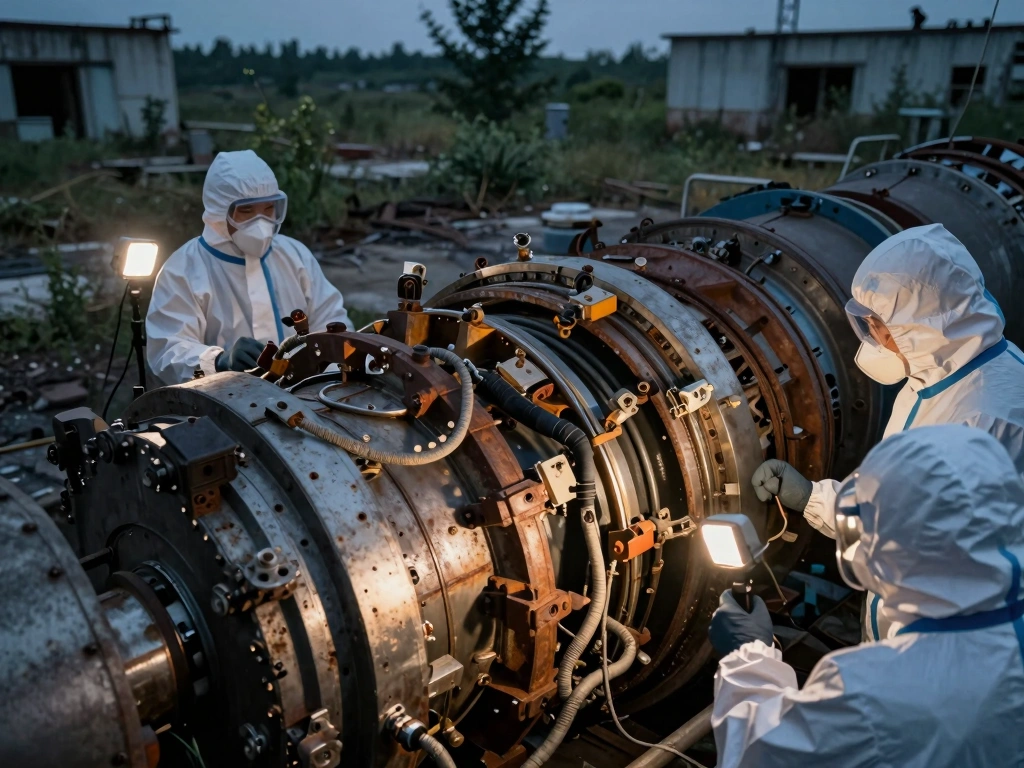
Additionally, safety considerations dictate that decommissioning must be conducted in a manner that protects workers, the public, and the environment. This can involve the implementation of rigorous safety protocols and the use of protective equipment, further extending the timeline. The safety culture within the nuclear industry necessitates that decommissioning activities are carried out meticulously, often requiring additional training and oversight, which can slow the process.
Financial Implications and Budget Constraints
Cost Estimation and Financial Planning
Financial considerations are paramount in the decommissioning process, and the complexities involved can lead to underestimating costs. Initial cost estimates can often be inaccurate due to the unpredictable nature of decommissioning challenges, such as the discovery of unexpected radioactive materials or structural issues that require additional funding. For instance, the decommissioning of the Fort Calhoun Nuclear Station in Nebraska encountered significant financial hurdles when the overall costs exceeded initial projections due to unforeseen challenges.
Comprehensive financial planning is essential. Utilities must establish decommissioning trust funds to cover these costs, which can be substantial. The estimated cost for decommissioning a nuclear plant can range from hundreds of millions to billions of dollars, depending on various factors, including the size of the plant and the complexity of the decommissioning process. This financial burden can delay decommissioning activities as utilities may seek additional funding or attempt to minimize costs.
Funding Challenges and Resource Allocation
Funding challenges can arise when decommissioning funds are insufficient to cover the actual costs. This is especially true for plants that were not adequately funded during their operational lifetime. For example, the decommissioning of the San Onofre Nuclear Generating Station has faced scrutiny over the adequacy of its decommissioning fund, which has raised concerns about potential delays in the process if additional funds are not secured.
Moreover, resource allocation can become a contentious issue, as utilities must balance decommissioning costs with ongoing operational expenses. This has been seen in various cases where utilities delayed certain decommissioning activities in favor of other operational priorities, further extending timelines. The financial implications of decommissioning can thus create a cycle of delays and complications that prolong the process.
Long-Term Economic Impact of Decommissioning
The long-term economic impact of decommissioning can also affect timelines. Communities often rely on nuclear power plants for jobs and economic stability. As decommissioning progresses, local economies may experience disruptions, leading to potential opposition from the community. This opposition can result in additional regulatory hurdles and negotiations that prolong the decommissioning process. For example, the economic implications of decommissioning the Pilgrim Nuclear Power Station in Massachusetts sparked significant community debate and delays in the overall timeline.
Public Perception and Community Engagement
Community Concerns and Opposition
Public perception plays a significant role in the decommissioning timeline of nuclear plants. Communities often express concerns about the safety of radioactive waste management and the environmental impact of decommissioning activities. This opposition can lead to lengthy public hearings and additional regulatory scrutiny, which can delay the process. The decommissioning of the Indian Point Energy Center in New York faced considerable public opposition, resulting in extended timelines as community concerns were addressed.
Transparency in Communication with the Public
Effective communication with the public is essential for alleviating fears and building trust during the decommissioning process. Utilities are often required to conduct informational meetings and provide updates on decommissioning progress. However, the complexity of the process can make it challenging to communicate effectively, leading to misunderstandings and further public resistance. For instance, lack of clarity regarding the timeline and safety measures during the decommissioning of the Crystal River Plant in Florida led to increased public concern and calls for greater transparency.
Involvement of Local Stakeholders in the Process
Involving local stakeholders in the decommissioning process can help mitigate opposition and foster cooperation. Stakeholder engagement initiatives can include community advisory boards or public consultation meetings that allow residents to voice concerns and receive information. The decommissioning of the Vermont Yankee plant exemplified the importance of community involvement, which helped ease tensions and facilitate a smoother transition despite initial public resistance.
Environmental Considerations and Remediation Efforts
Assessment of Environmental Impact
Environmental considerations are paramount in the decommissioning process, requiring detailed assessments of potential impacts on local ecosystems. This includes evaluating soil, groundwater, and air quality for contamination. The decommissioning of the Rancho Seco Nuclear Power Plant in California involved extensive environmental assessments to ensure that all potential impacts were identified and addressed, which extended the overall timeline significantly.
Long-Term Environmental Monitoring Requirements
Once decommissioning is complete, long-term environmental monitoring is often required to ensure that no residual contamination poses a risk to public health or the environment. This monitoring can continue for decades, further extending the timeline associated with a plant’s decommissioning. For example, the monitoring requirements established for the Maine Yankee site include regular assessments of groundwater and soil quality, which are set to continue for several decades.
Restoration and Land Reuse Strategies
Finally, the development of restoration and land reuse strategies can also contribute to prolonged decommissioning timelines. Stakeholders often seek to ensure that decommissioned sites are restored to a condition that is suitable for future use, which can involve complex remediation efforts. The former site of the Trojan Nuclear Power Plant in Oregon showcases how lengthy restoration processes can be, as extensive remediation efforts were undertaken to prepare the site for future development, resulting in significant delays.